
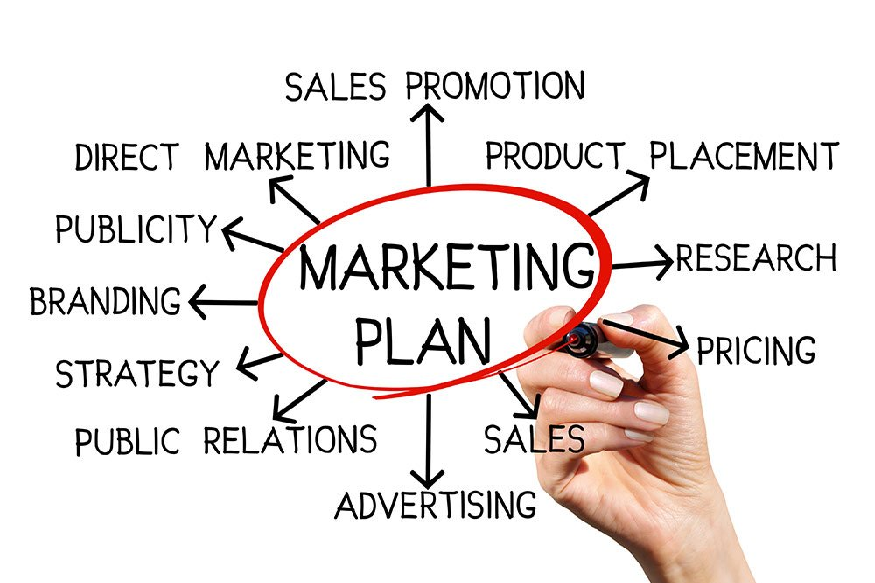
An effective franchise marketing strategy is essential for building brand awareness, driving customer engagement, and ensuring growth across multiple locations. Unlike standalone businesses, franchises must maintain consistency across all outlets while addressing local market needs. Creating a strategy that balances corporate goals with local execution ensures each franchise location supports the overall brand while achieving measurable marketing results.
Step 1: Define Your Franchise Marketing Goals
The first step in creating an effective franchise marketing strategy is to set clear, measurable goals. Goals should align with both corporate objectives and individual franchise performance. Examples include:
- Increasing brand awareness nationally and locally
- Generating leads for new franchise sales
- Driving foot traffic to specific locations
- Boosting online engagement and sales
Defining specific, measurable, achievable, relevant, and time-bound (SMART) goals provides a roadmap for your strategy and helps evaluate success.
Step 2: Understand Your Target Audience
To craft effective campaigns, you must know who your customers are and what motivates them. Conduct market research to identify:
- Customer demographics, preferences, and behaviors
- Regional differences between franchise locations
- Common pain points and purchasing motivations
This insight allows your marketing messages to resonate with the audience while maintaining consistency across all locations.
Step 3: Develop a Consistent Brand Message
Consistency is key for franchises. Develop a brand messaging guide that defines:
- Tone of voice and communication style
- Key messages and value propositions
- Visual identity, including logos, colors, and fonts
- Customer experience expectations
A cohesive brand message ensures that customers recognize your franchise, whether they interact with corporate marketing or a local franchise.
Step 4: Choose the Right Marketing Channels
Effective franchise marketing uses a mix of national and local marketing channels:
- Digital Marketing: SEO, Google Ads, social media, email marketing, and content marketing.
- Local Marketing: Google My Business, local events, flyers, and community partnerships.
- Traditional Marketing: Print media, radio, and outdoor campaigns.
Selecting the right channels for your audience ensures campaigns are visible, engaging, and effective.
Step 5: Implement Localized Marketing Campaigns
While brand consistency is critical, localization drives relevance. Franchisees can adapt campaigns for local audiences by:
- Offering promotions for local events or holidays
- Highlighting products or services popular in the area
- Engaging local influencers and community partners
Localized marketing improves customer engagement and strengthens each franchise location’s connection to its community.
Step 6: Leverage Technology and Automation
Modern franchise marketing relies heavily on technology. Tools like CRM systems, marketing automation platforms, and analytics dashboards can:
- Streamline campaign execution across multiple locations
- Track leads, conversions, and ROI
- Provide performance insights for continuous improvement
Automation ensures efficiency while maintaining consistency across all franchise locations.
Step 7: Train and Support Franchisees
Franchisees are the frontline of your marketing efforts. Provide training, templates, and guidelines to ensure campaigns are executed correctly. Support may include:
- Social media and email marketing templates
- Brand guidelines for messaging and visuals
- Reporting systems to track local campaign results
Franchisee support ensures consistency while allowing flexibility for local marketing initiatives.
Step 8: Measure, Analyze, and Optimize
Optimization is an ongoing process. Track key metrics such as:
- Website traffic and search rankings
- Social media engagement and reach
- Lead generation and conversions
- Local store foot traffic and sales
Use these insights to adjust campaigns, improve messaging, and allocate resources more effectively, ensuring your franchise marketing strategy evolves with market conditions.
Final Thoughts
Creating an effective franchise marketing strategy requires careful planning, alignment between corporate and local teams, and continuous optimization. By defining goals, understanding your audience, maintaining brand consistency, selecting the right channels, localizing campaigns, leveraging technology, training franchisees, and analyzing results, franchises can boost visibility, engage customers, and drive growth across all locations.