
Ask a random person what keeps a plane in one piece, and you’ll usually get the same answer. Bolts. Tons of them. That guess made plenty of sense a few decades ago. These days it barely covers half the story. A modern jet holds together thanks to a clever blend of woven fiber, powerful glue, baked ceramic, and, sure, a healthy count of bolts too.
From Heavy Metal to Something Lighter
Aluminum was once fundamental to aviation. It was affordable, strong, and easy to shape. Its big weakness was weight. Heavy planes drink fuel, and fuel costs pile up fast, so builders went looking for a smarter option.
Read More: FCNR Account Opening: Eligibility Rules & Essential Documents for NRIs
Composites gave them one. The concept behind a composite is easy to grasp. You mix two materials so that the combination beats either one on its own. Picture thin carbon threads woven almost like fabric, then soaked in resin and hardened. What comes out weighs next to nothing, yet stubbornly refuses to snap. Wings, tails, and giant sections of the body now rely on this material. Less weight means better fuel efficiency, longer range, and cost savings for airlines.
Why Glue Beats Bolts More Often Than You’d Think
Some of the strongest joints on an aircraft come from adhesive. Not the one in the kitchen drawer. Aerospace glue bonds surfaces so strongly, its hold can exceed the metal’s lifespan. Every bolt punches a hole, and every hole hands cracks a place to begin. The weak area is where those cracks start to grow. Bonding distributes stress over a surface, not just at drilled points. That keeps the plane smoother and a touch lighter. Modern jets lean heavily on a special kind of bonding sheet during assembly. A dependable epoxy film adhesive supplier for aerospace composites like Axiom Materials helps builders join parts cleanly and safely, and their work gives factories a trustworthy way to lock components in place. Bolts still show up wherever the stakes climb high, but glue quietly handles a huge share of the work.
When Things Get Hot
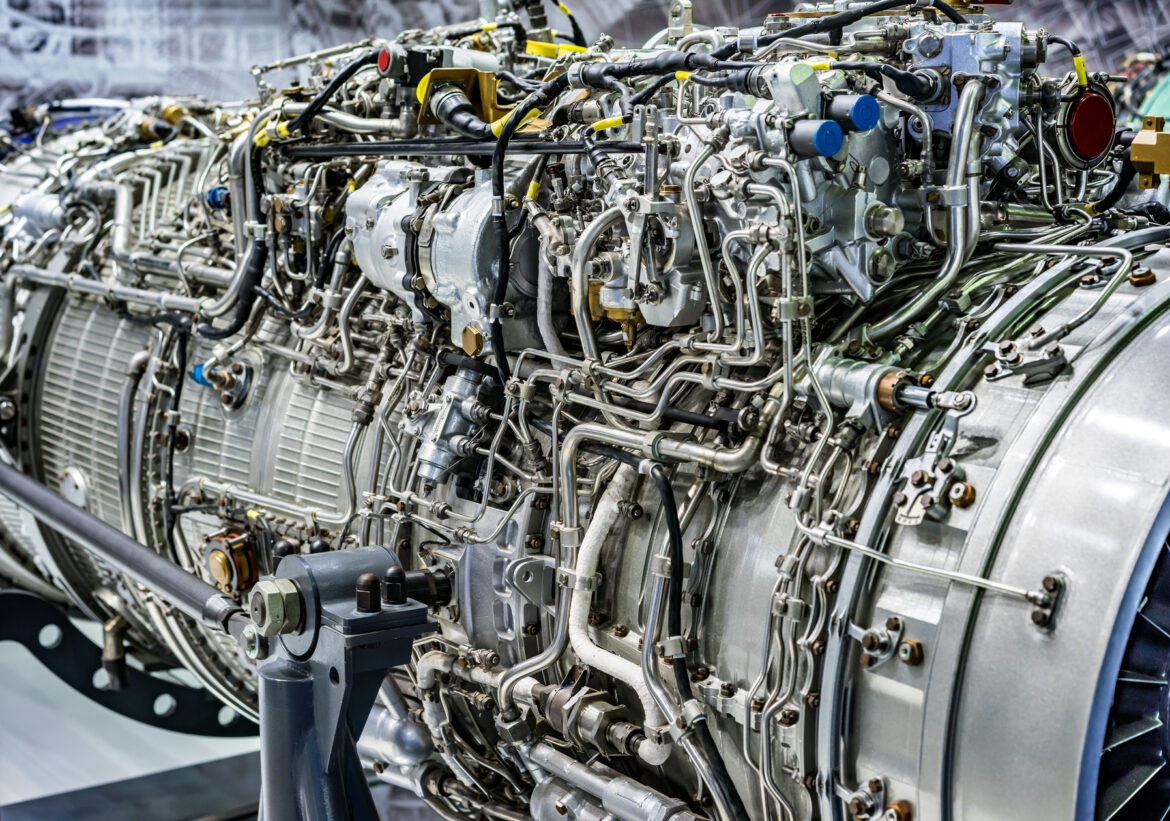
Certain zones on an aircraft take a brutal beating from heat. Engines run scorching hot. Anything nearby has to survive without melting or warping. Ordinary metal simply cannot cope in those spots. That is where a special group of materials steps up. Ceramic parts brush off temperatures that would ruin plain metal. They hold their strength in the fire and weigh less than the pieces they replace. Because these materials handle such wild conditions, they let planes run cleaner and safer near the hottest corners of an engine.
The Frame Nobody Sees
Behind every panel sits a hidden skeleton doing the real heavy lifting. Beams, ribs, and long supports called spars fit together in careful patterns. Each piece earns its keep. Some fight bending. Others resist the twisting that hits during a sharp turn or a rough landing.
Read More: What Today’s Renters Expect From Their Landlords
Long before a plane rolls out of the hangar, crews shake it, twist it, and load it far past anything the sky will throw its way. A design only makes the cut once it survives all that punishment. These components need to remain stable for numerous flights over many years.
Conclusion
Look closely, and a modern airplane feels like a team. Featherlight composites give it shape. Fierce adhesives lock the pieces down. Heatproof ceramics guard the flames. A buried frame binds everything into one machine that flies. So the next time that cabin door thumps shut and the engines whine to life, remember. Far more than nuts and bolts is keeping you safe. A quiet stack of smart science surrounds you, doing its job seven miles up.